

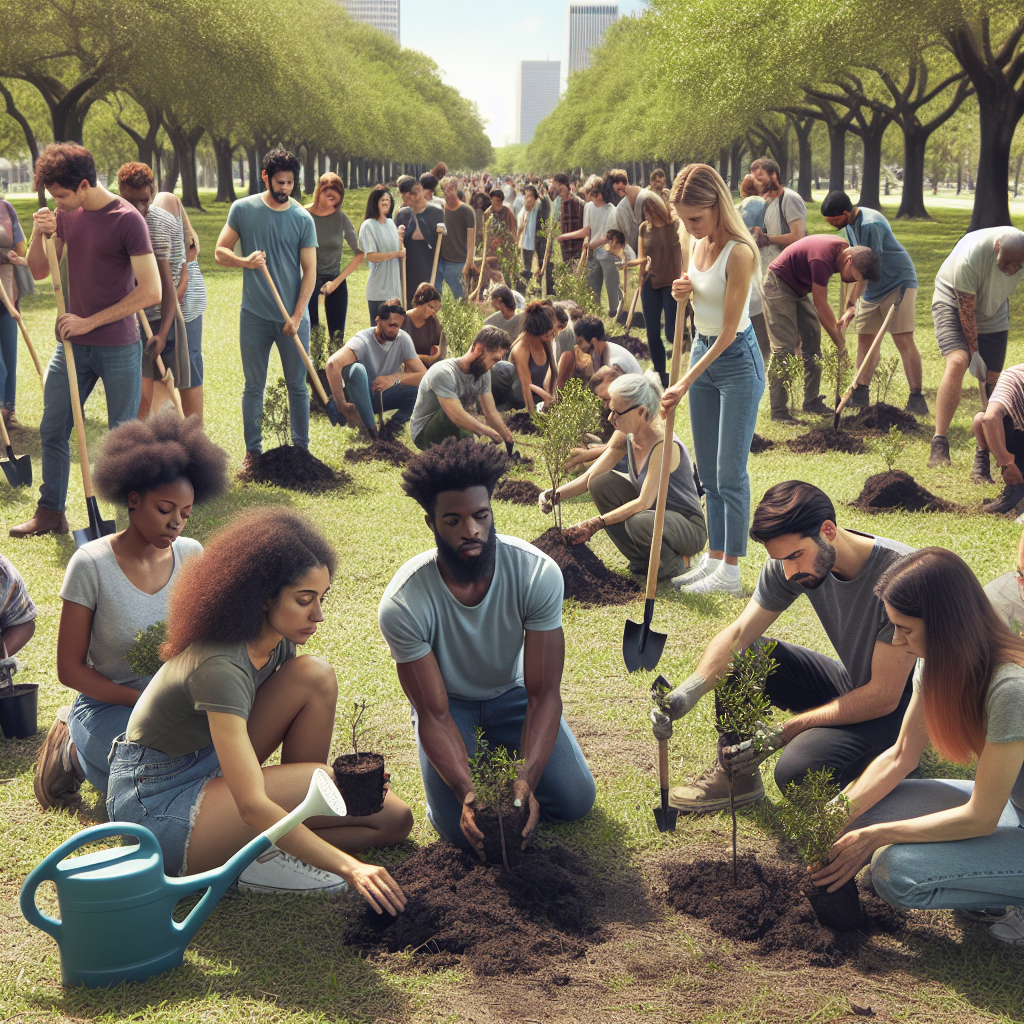
Baton Rouge is witnessing a surge in community-driven environmental initiatives aimed at preserving natural habitats and bolstering the city’s resilience against climate change.
BREC’s Green Force Volunteers
The Recreation and Park Commission for the Parish of East Baton Rouge (BREC) has established the Green Force program, a conservation-focused volunteer initiative. Since its inception in 2017, Green Force has grown to include 90 active volunteers who have collectively contributed over 1,500 hours to maintaining trails, fishing ponds, and gardens across 12 community parks and five conservation areas. Their efforts are pivotal in conserving natural landscapes and providing educational and recreational opportunities for residents. Source
LSU’s Coastal Roots Program
Louisiana State University’s Coastal Roots program connects students directly to environmental restoration. For over 25 years, students have grown native trees and grasses, culminating in field trips to plant them in parks, coastal areas, and wildlife refuges. This hands-on approach educates students on environmental stewardship and contributes to restoration efforts across Louisiana. Source
University Lab School’s Cypress Restoration
In a collaborative effort, University Laboratory School student Vaughn Meiners led a cypress restoration project along the LSU Lakes. Partnering with Baton Rouge Green and the LSU Lakes Project, Meiners and his peers planted cypress trees to combat erosion and enhance the area’s natural beauty. This project exemplifies how individual initiatives can lead to significant community impact. Source
ExxonMobil’s Environmental Stewardship
ExxonMobil has been a community partner in Baton Rouge for over 115 years, focusing on minimizing emissions, enhancing energy efficiency, and maintaining high environmental standards. Notable achievements include a 25% reduction in particulate matter through process optimizations and an 86% reduction in nitrate emissions following a $10 million investment in wastewater treatment. Source
These collective efforts underscore Baton Rouge’s commitment to environmental conservation and resilience, demonstrating the power of community engagement in addressing climate challenges.