
By Olivia Roberts
Big Moves in Transportation and Infrastructure
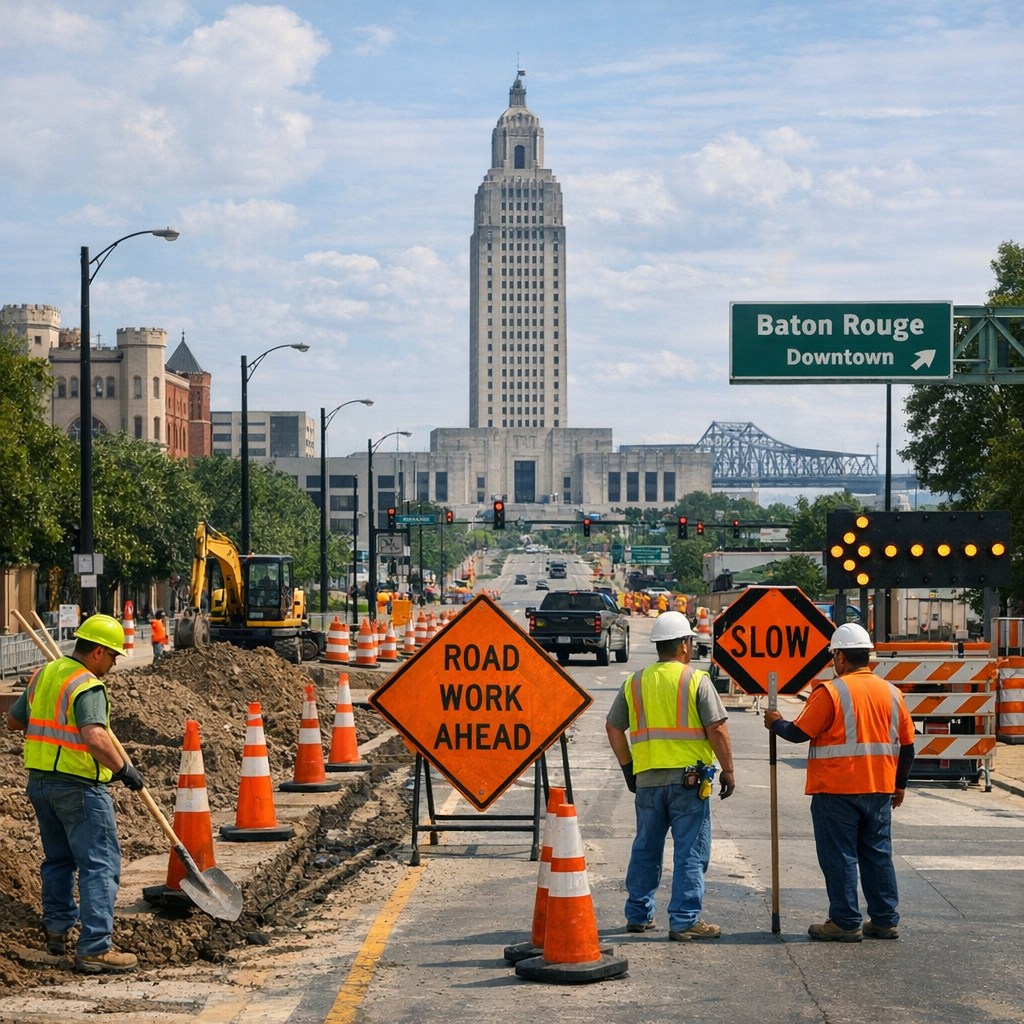
One of the most visible changes in Baton Rouge is the ongoing MOVEBR program, a major investment in road safety, congestion relief, and pedestrian access. Projects under MOVEBR include widening key roads, synchronizing traffic signals, and adding bike and multi-use paths. Segment 1 of Nicholson Drive—from Brightside Drive to Gourrier Avenue—is just one recent example where construction has now begun. These improvements aim not only to streamline traffic but also to make daily trips safer, especially for walkers and cyclists.
Another infrastructure highlight: the city is replacing 13 bridges in northern East Baton Rouge Parish. Bridge replacements are often long overdue and critical to addressing not just wear and tear, but also safety risks and flood resilience. Such work is closely tied to Baton Rouge’s ongoing efforts to reinforce its transportation backbone and protect neighborhoods vulnerable to weather impacts.
Community Spaces, Youth Needs, and Local Revitalization
Neighborhoods are seeing investment beyond roads. A new Youth City Lab on Government Street will bring together nonprofits focused on arts, education, and mentoring under one roof. It’s part of a growing push to provide creative programming for young people and bolster opportunity in communities that haven’t always had access to those resources. Meanwhile, the Greater Baton Rouge Food Bank and Three O’Clock Project are developing a community kitchen designed to serve up to 1,000 meals daily initially—with plans to scale up much higher. Projects like these matter for food security, public health, and social cohesion.
Baton Rouge is also ramping up efforts to reduce blight. As part of the Mayor-President’s “100-Day Transformation Initiative,” officials launched the Top 10 Blight Property Campaign to let residents identify derelict commercial properties hurting neighborhood character. Coupled with stricter fine regimes for neglect, these are concrete steps aimed at quietly boosting morale and aesthetics in local communities.
What’s Coming Up & What to Watch
• Keep an eye on the outcomes of zoning and redevelopment proposals. The city is getting requests for rezonings, subdivisions, and commercial development—each having long-term effects on land use, traffic, and neighborhood identity.
• Public input periods are active. Draft action plans for federal programs like the CDBG, HOME, and ESG are open for comment, meaning residents still have chances to shape how resources are spent.
• Community engagement is essential. With initiatives like the blight campaign and local safety concerns—especially in zones around schools—participation from residents will often be the deciding factor in success.
Baton Rouge is currently in a moment where the paths we build—literally and figuratively—will define our city for years to come. Keeping up with these developments, staying involved, and watching not just what gets built but who benefits will help ensure that growth is inclusive and resilient.